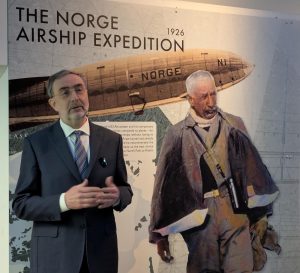
On March 19, the Polar Exploration Museum (FRAM) in Oslo held an event celebrating the centenary of the airship Norge’s flight over the North Pole, one of the greatest Arctic feats of the 20th century. The flight was completed on May 12, 1926, by an Italian-Norwegian crew led by the famous Norwegian explorer Roald Amundsen and General Umberto Nobile, the aircraft’s commander. The mission, largely funded by American entrepreneur Lincoln Ellsworth, also a member of the crew, was carried out aboard the airship N1 (renamed Norge for the occasion), designed and built in Italy and covered with a waterproof rubber fabric developed by Pirelli, capable of providing effective protection from the harsh Arctic temperatures.
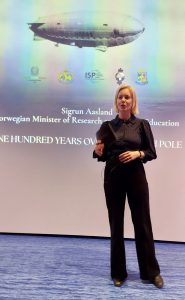
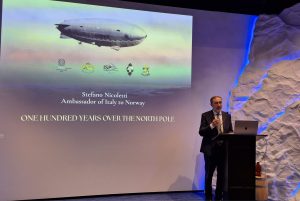
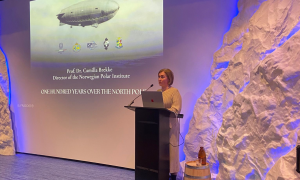
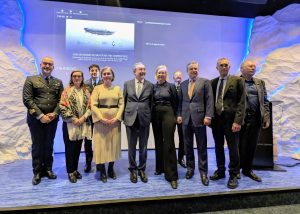
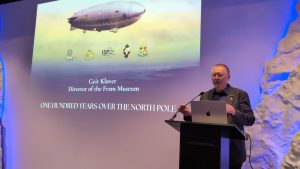
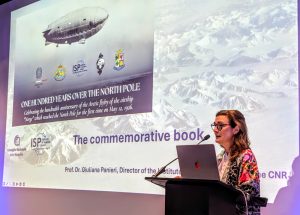
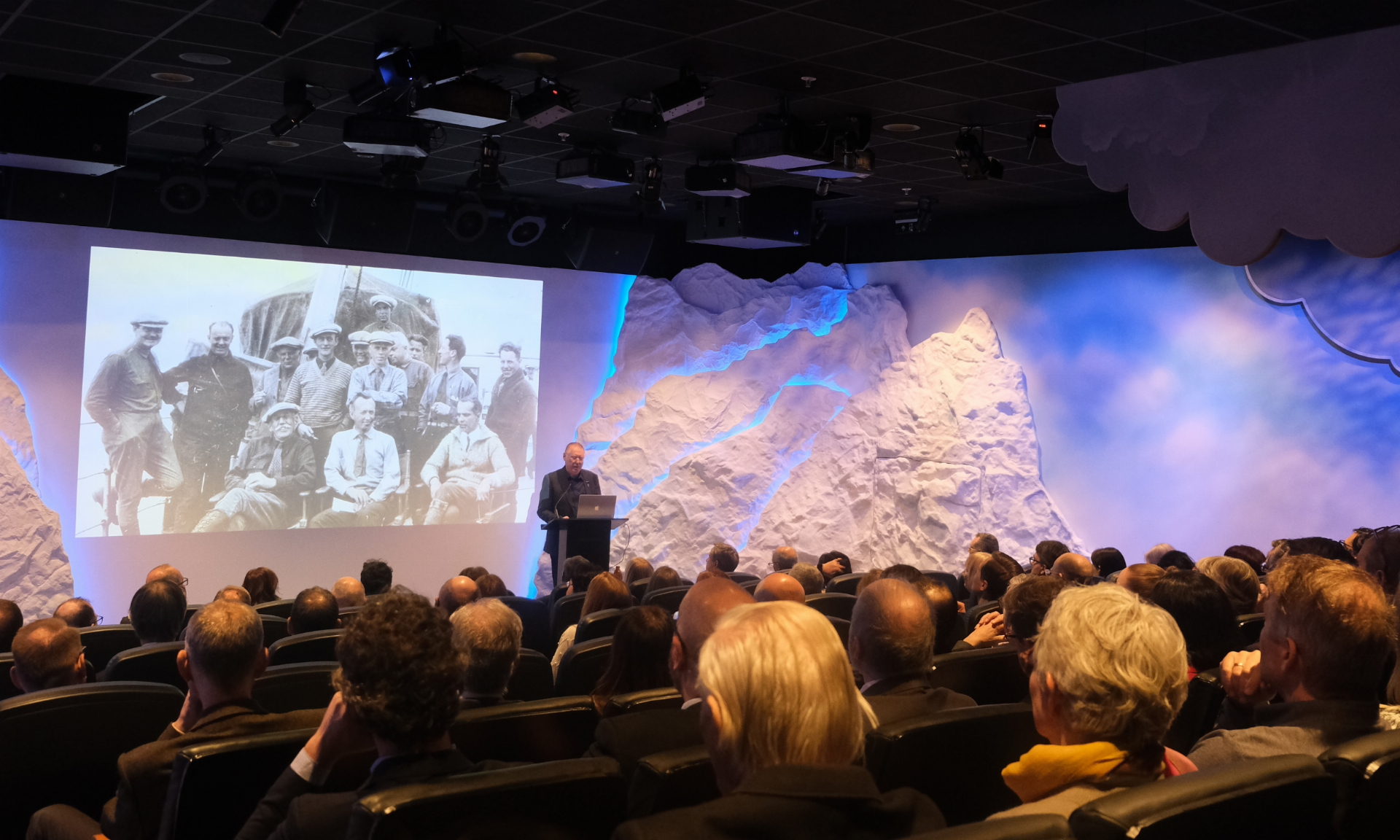
The event, organized by the Italian Embassy in Oslo in collaboration with the FRAM Museum and the Italian Air Force, opened with greetings from the Director of FRAM, Ambassador Stefano Nicoletti, and the Chargé d’Affaires of the American Embassy in Oslo. The evening, which saw the participation of the Norwegian Minister of Research and Higher Education, Sigrun Aasland, featured presentations by the Director of the Norwegian Polar Institute, Camilla Brekke, and the Director of the CNR Institute of Polar Sciences, Professor Giuliana Panieri, who presented the CNR book on the centenary of the mission and its scientific implications. Second Lieutenant Michele Palumbo and Lieutenant Colonel Paolo De Vita of the Italian Air Force also spoke about the Italian aviation technology that contributed so significantly to the mission’s success. The evening was enriched by evocative period footage, including an interview with Umberto Nobile by Gianni Bisiach, filmed at the RAI studios in 1960. The event was attended by a large audience, including the heirs of several crew members and representatives of the Alumni Association of the Nunziatella Military School of Naples.
Ambassador Nicoletti, commenting on the important celebratory moment, emphasized “the high scientific caliber of the presentations that enlivened the evening and the historical value of the evocative period films shown to the audience. The Norge airship expedition represents one of the most significant chapters in Italy’s more than a century-long history in the Arctic. It has consolidated over the past 30 years thanks in particular to the stable presence guaranteed by the multidisciplinary research station Dirigibile Italia, managed by the CNR (National Research Council) on the Svalbard Islands. The event on the Norge,” Nicoletti added, “also allowed us to highlight Italy’s renewed commitment to this region through the new national strategy for the Arctic and, most recently, the organization in Rome of the recent Arctic Circle Forum – Polar Dialogue, a high-level international event that discussed the complexity of the multiple challenges affecting the Arctic, the Antarctic, and the so-called Third Pole of the Himalayas.”