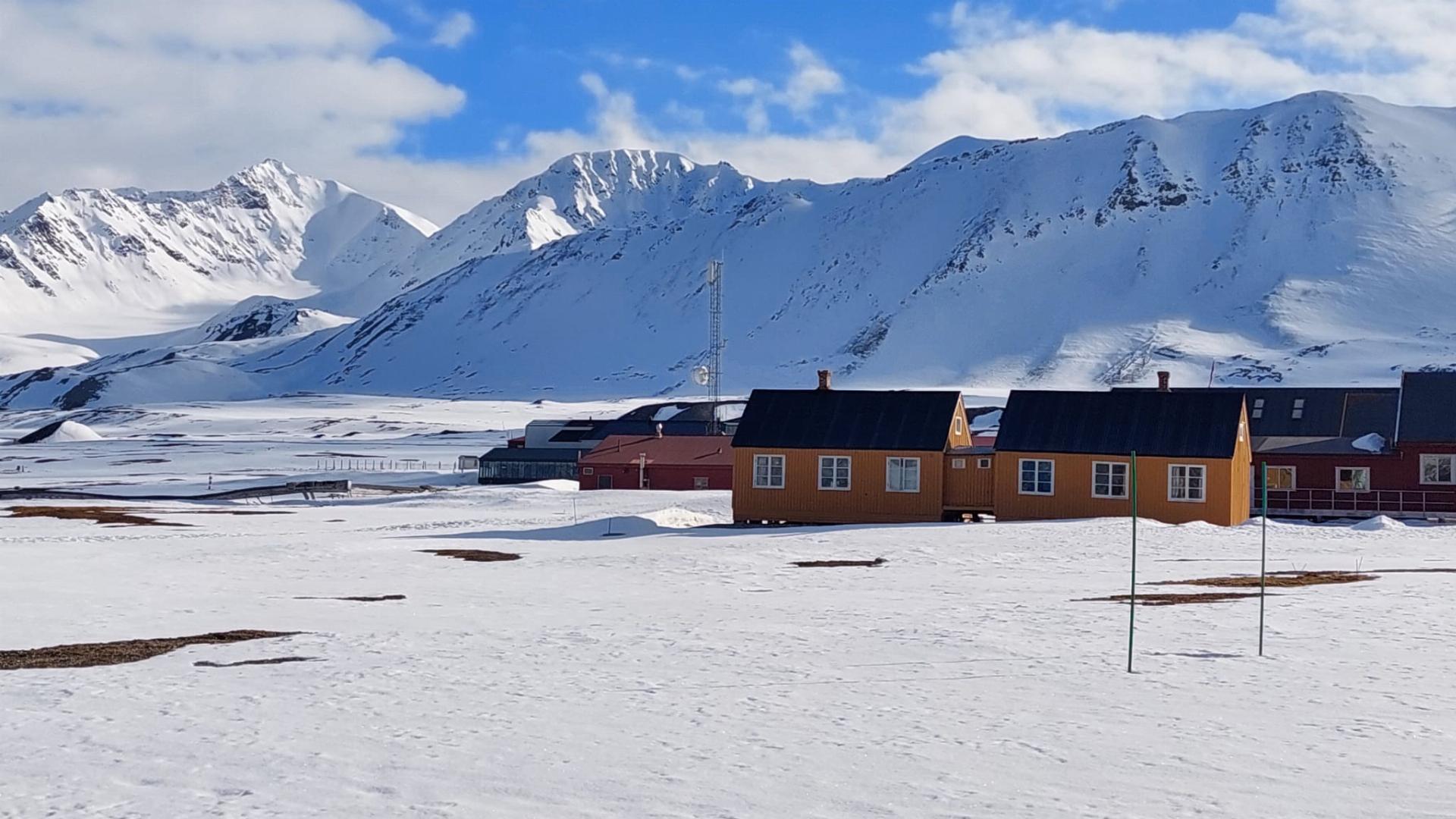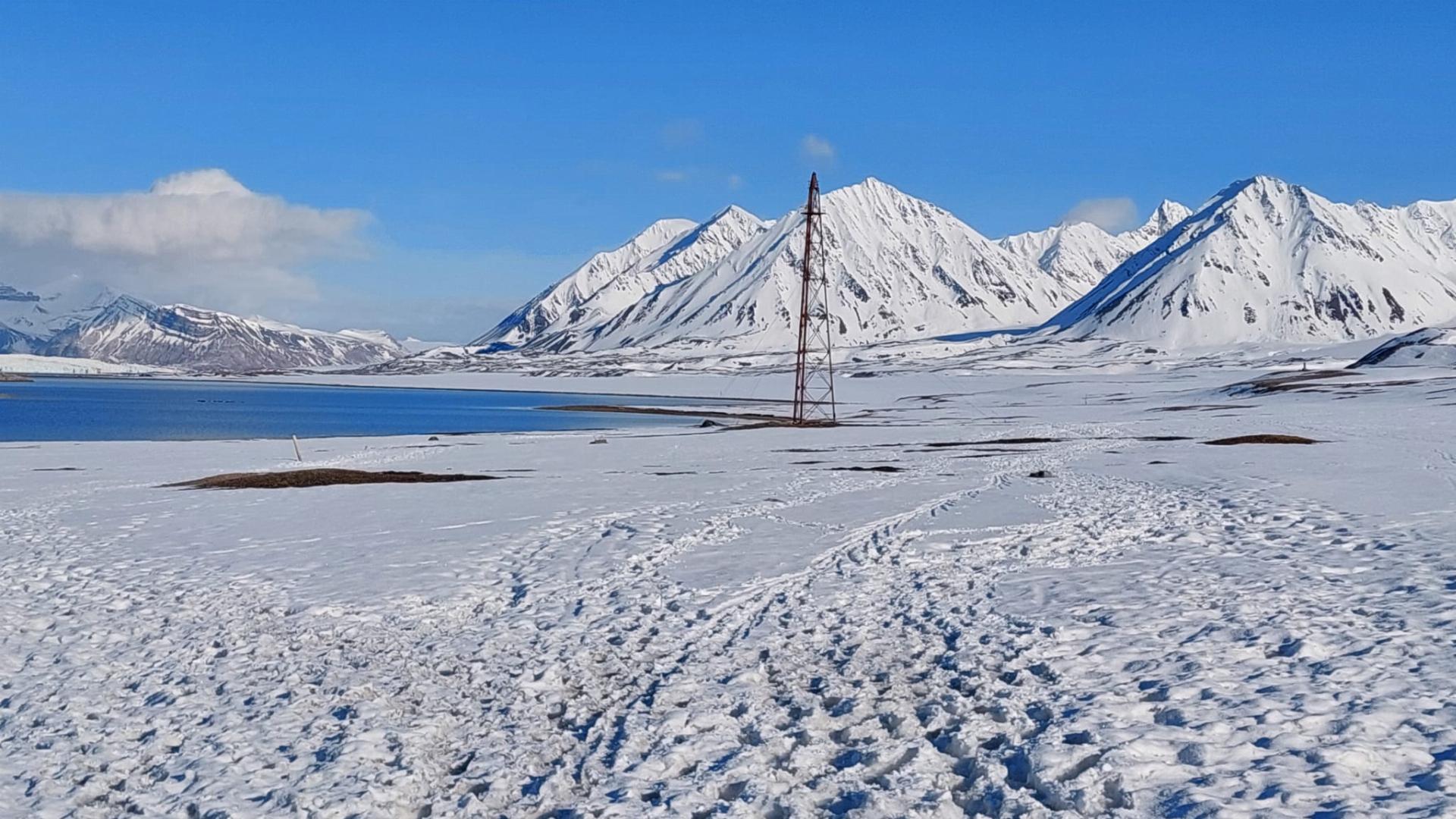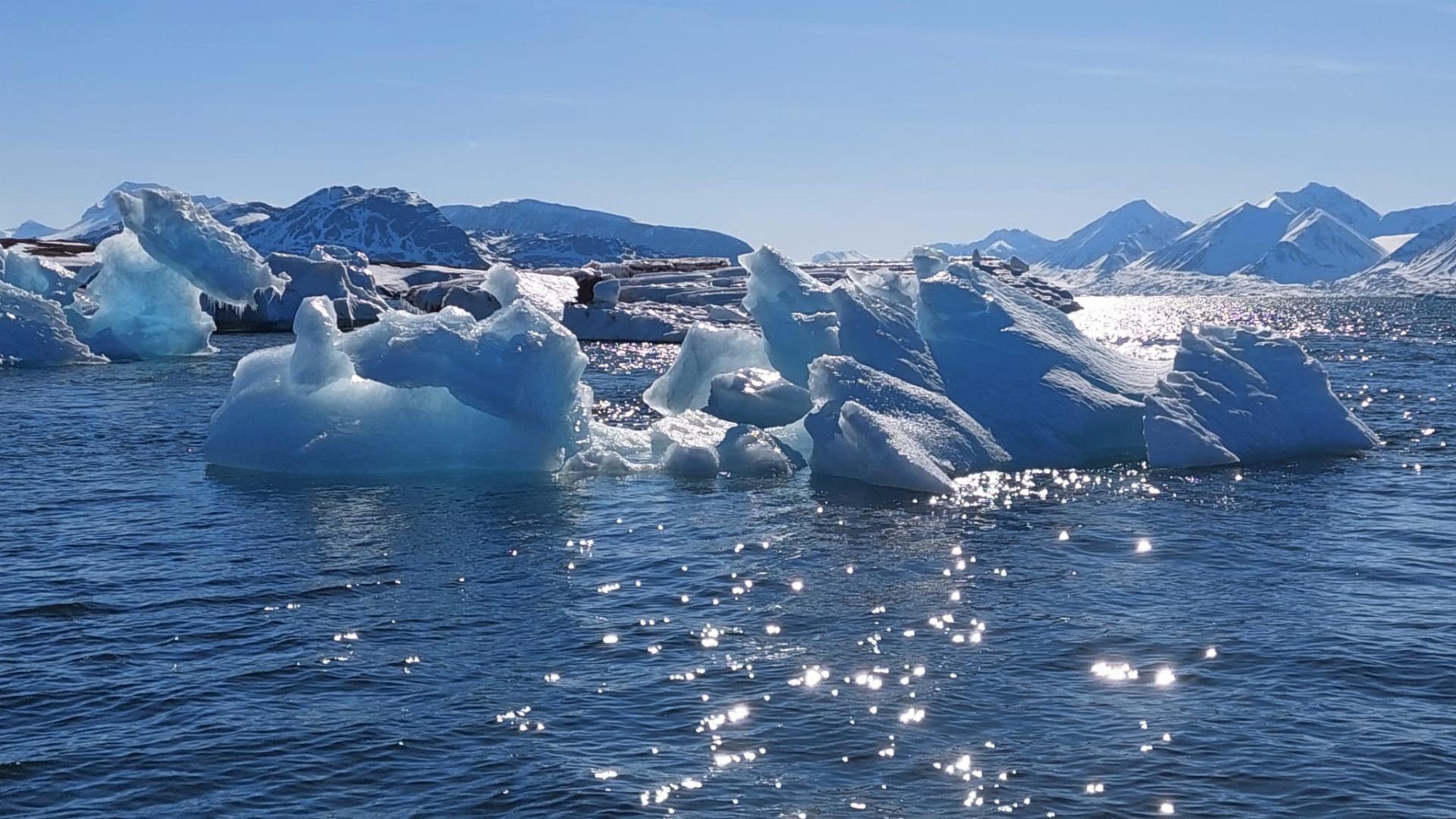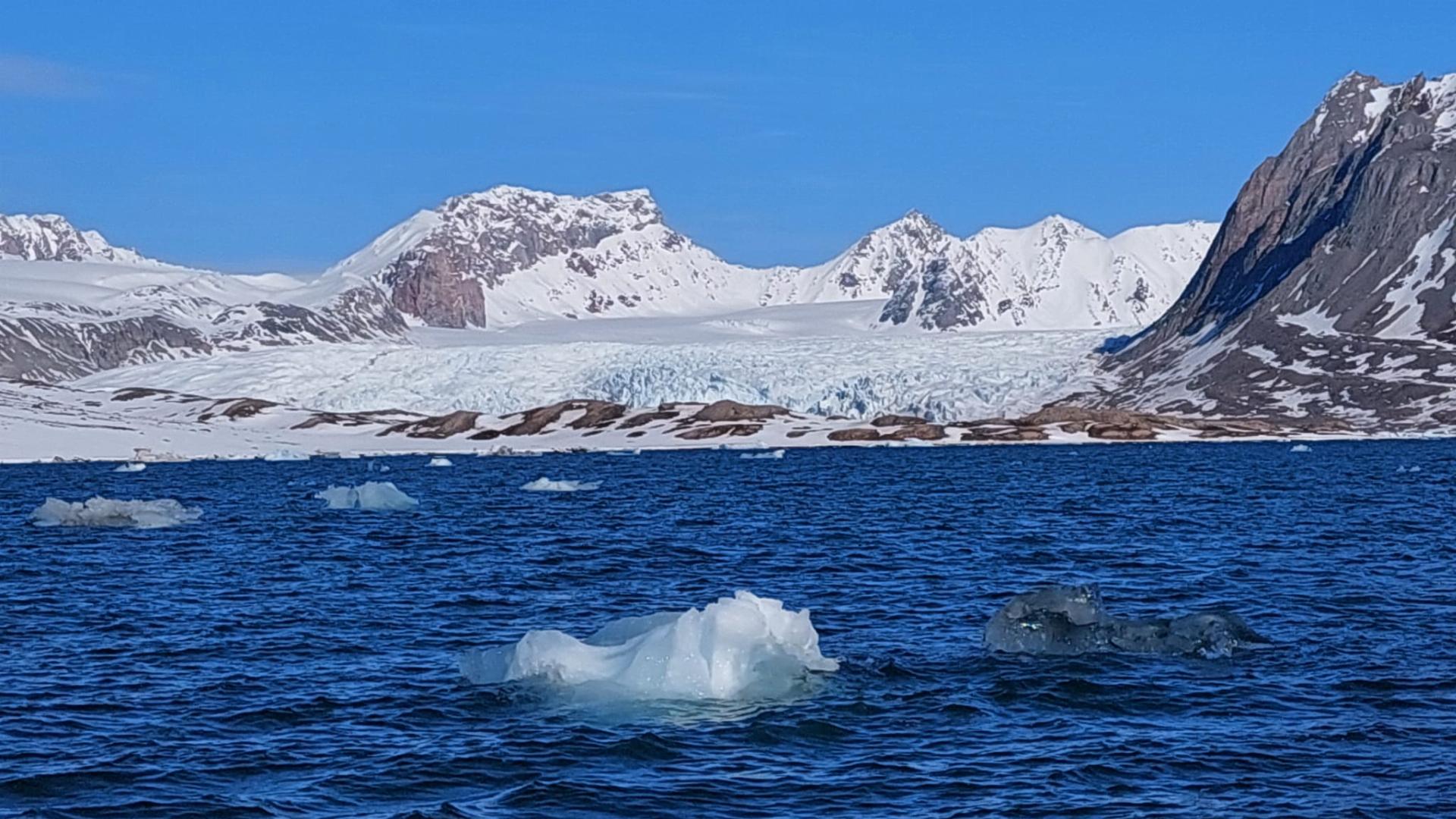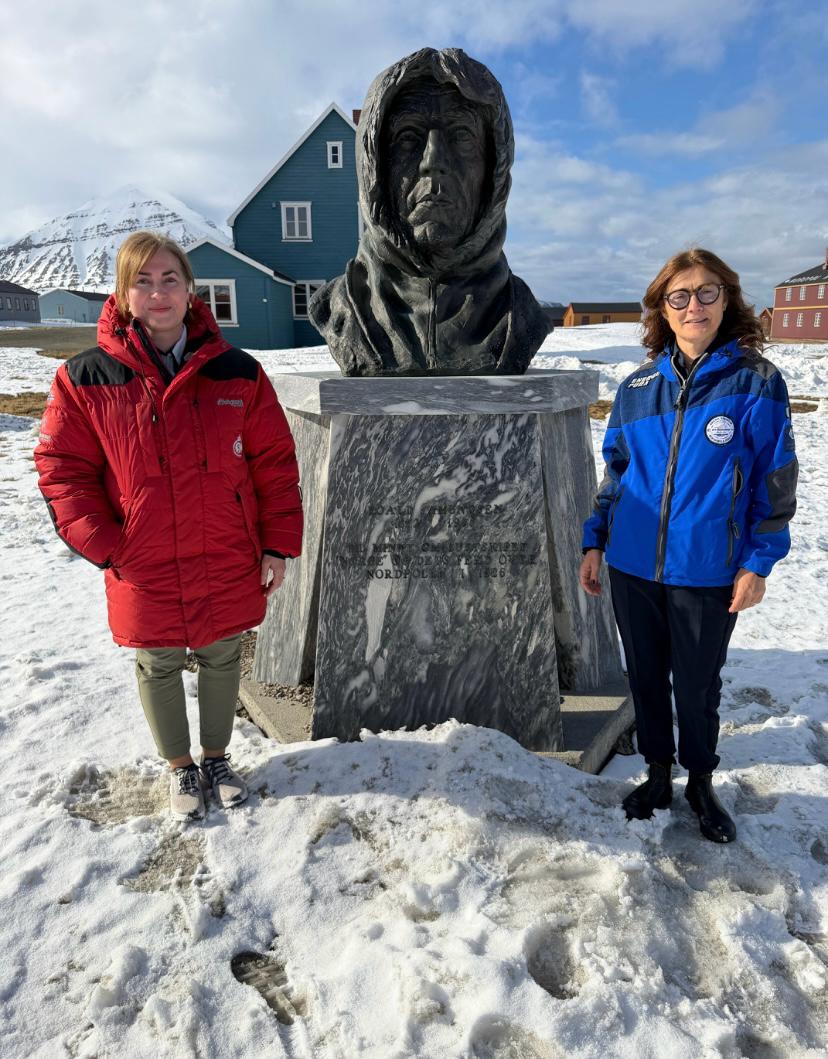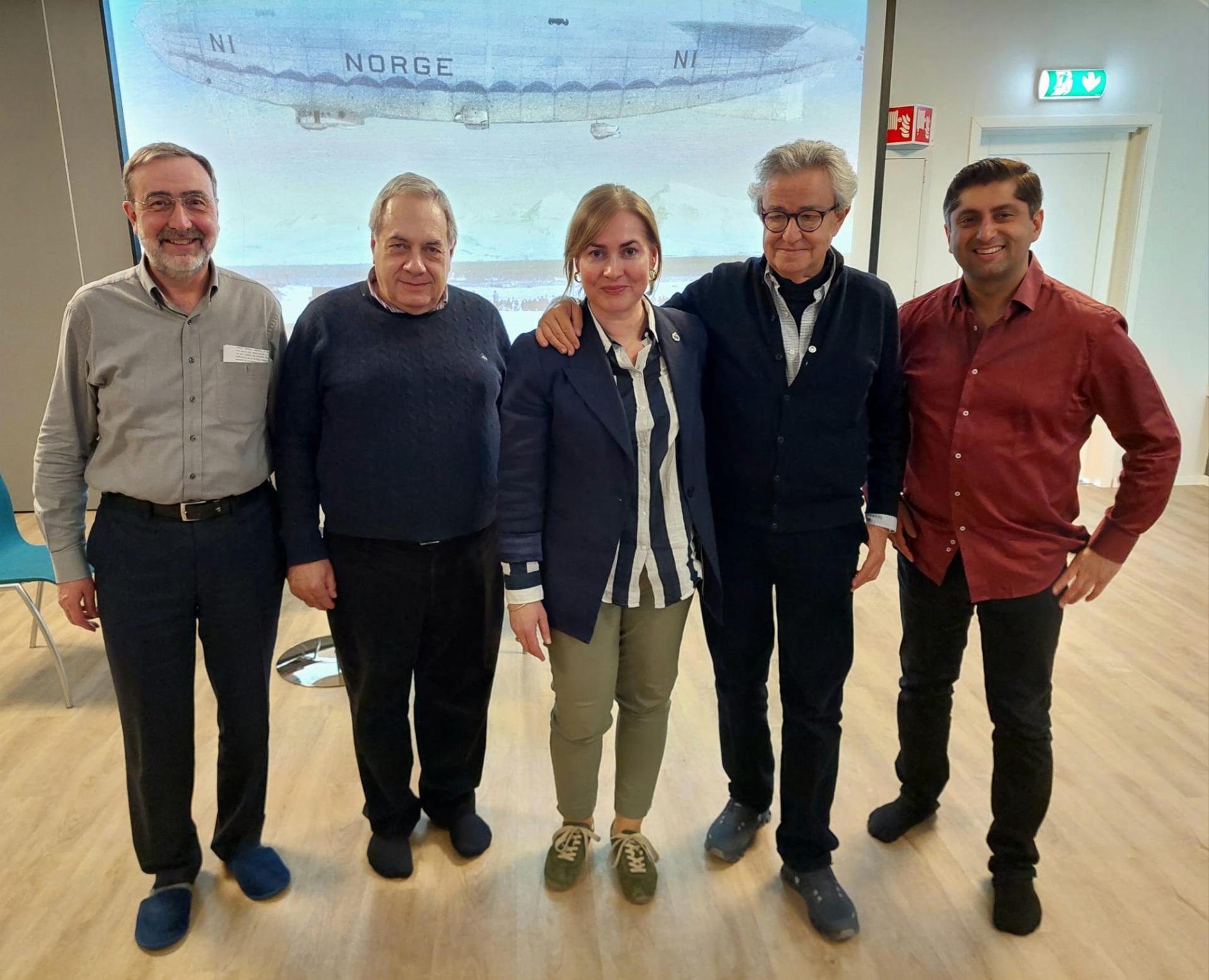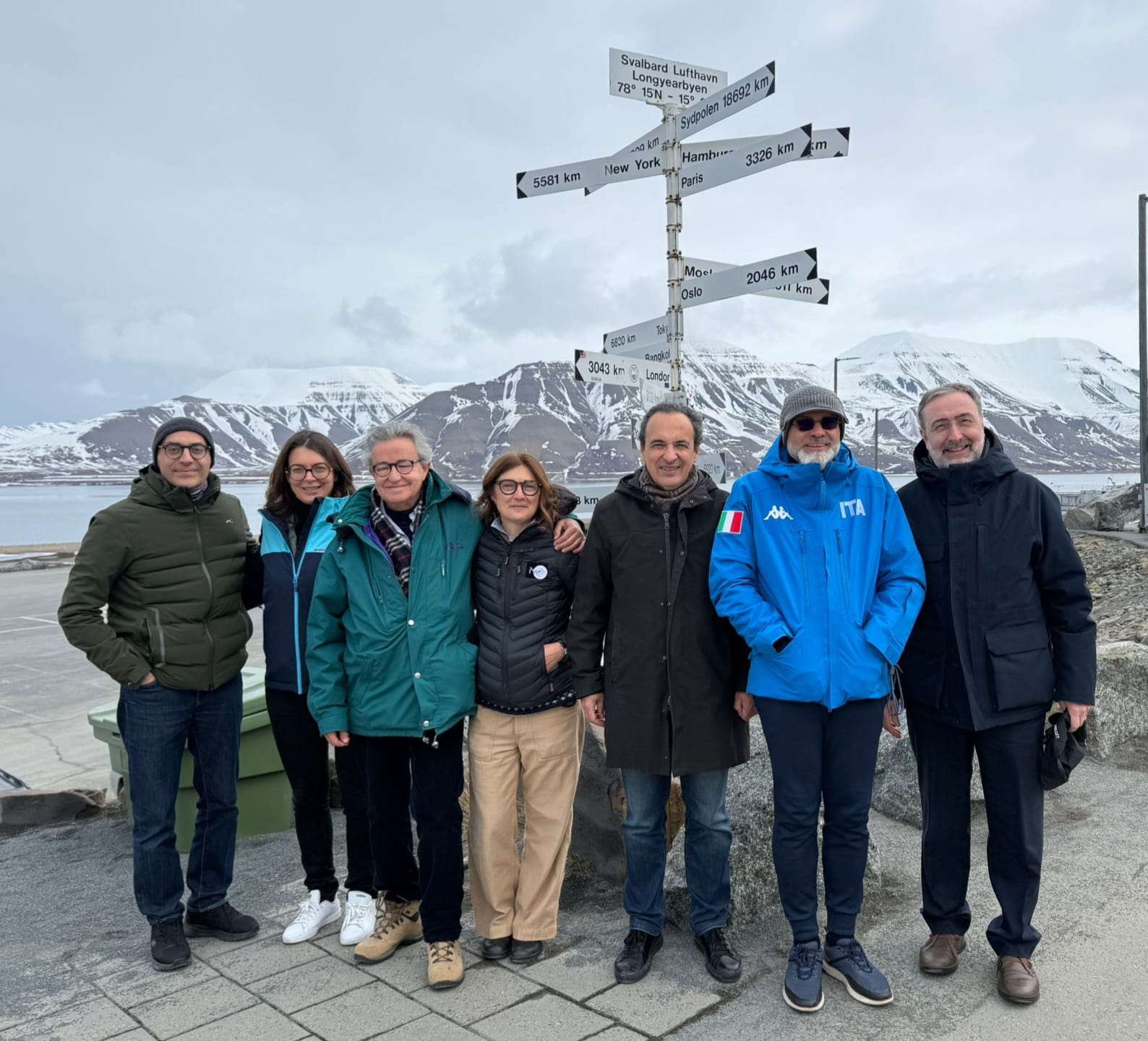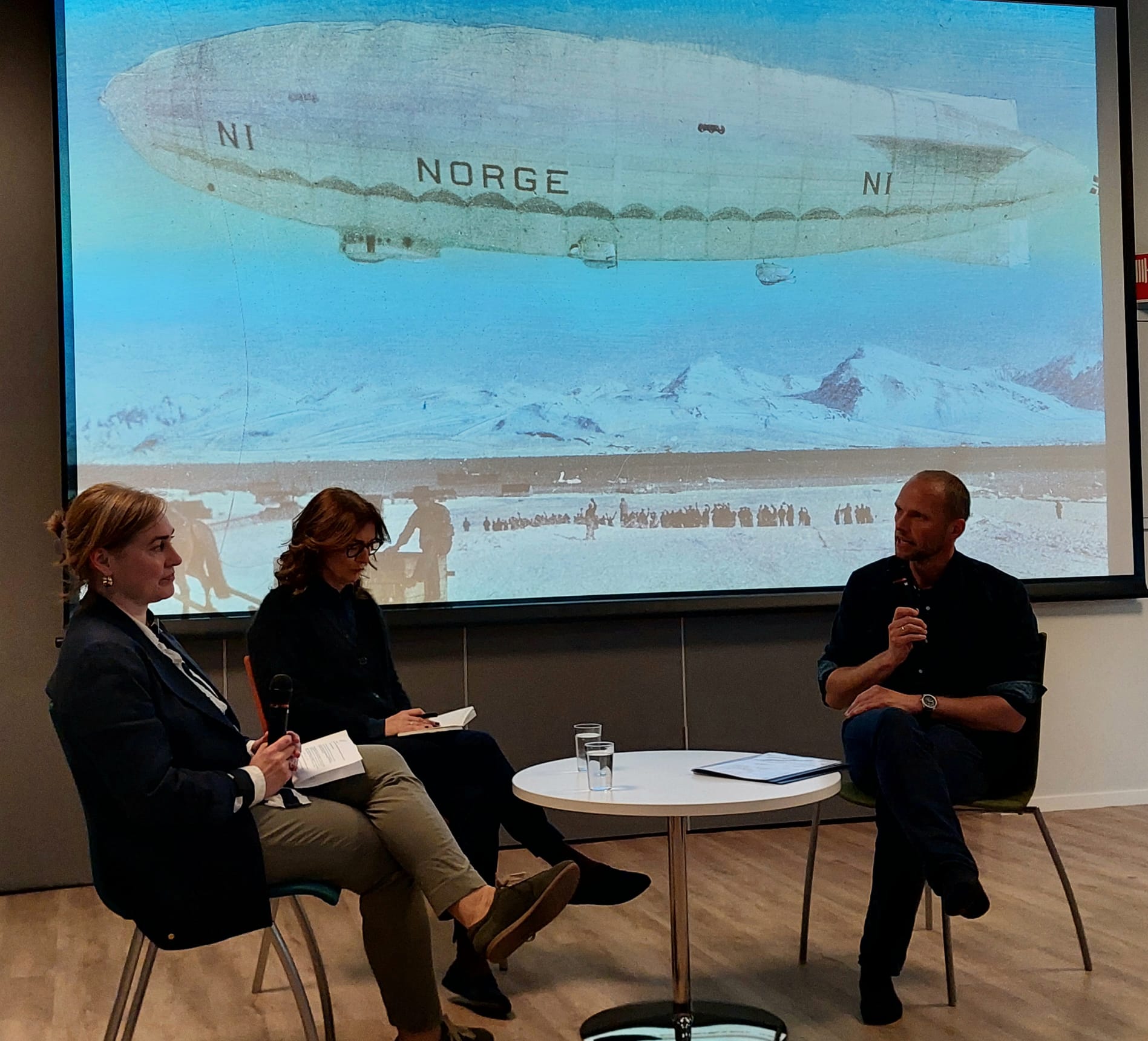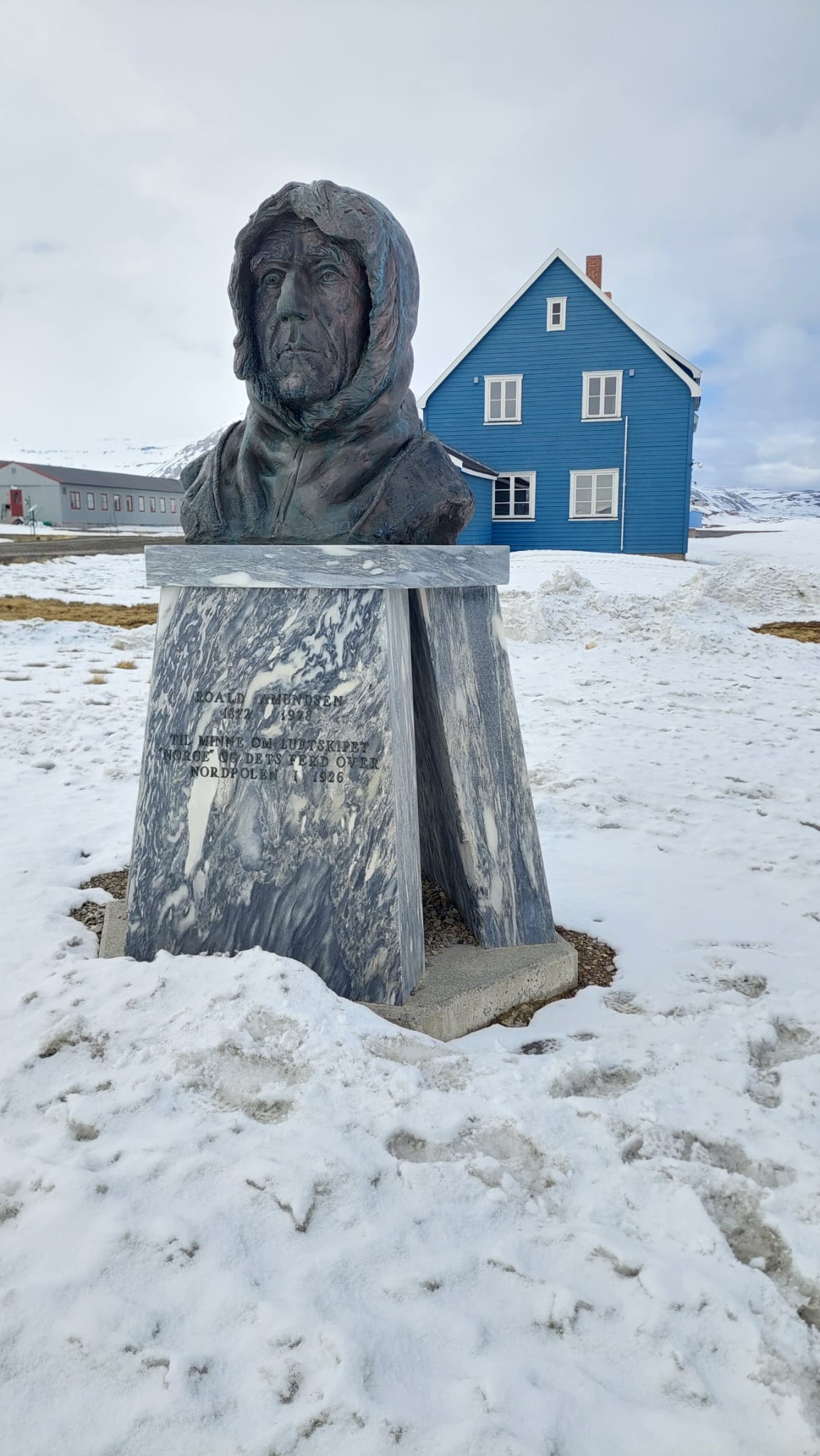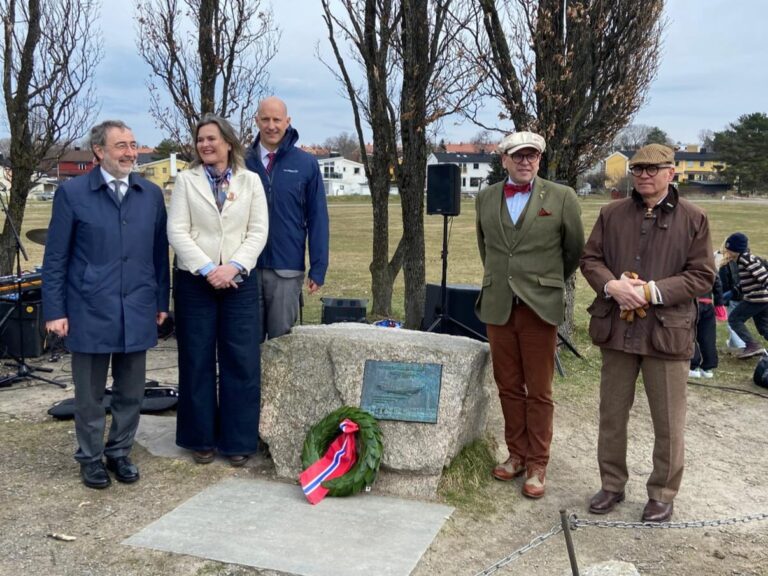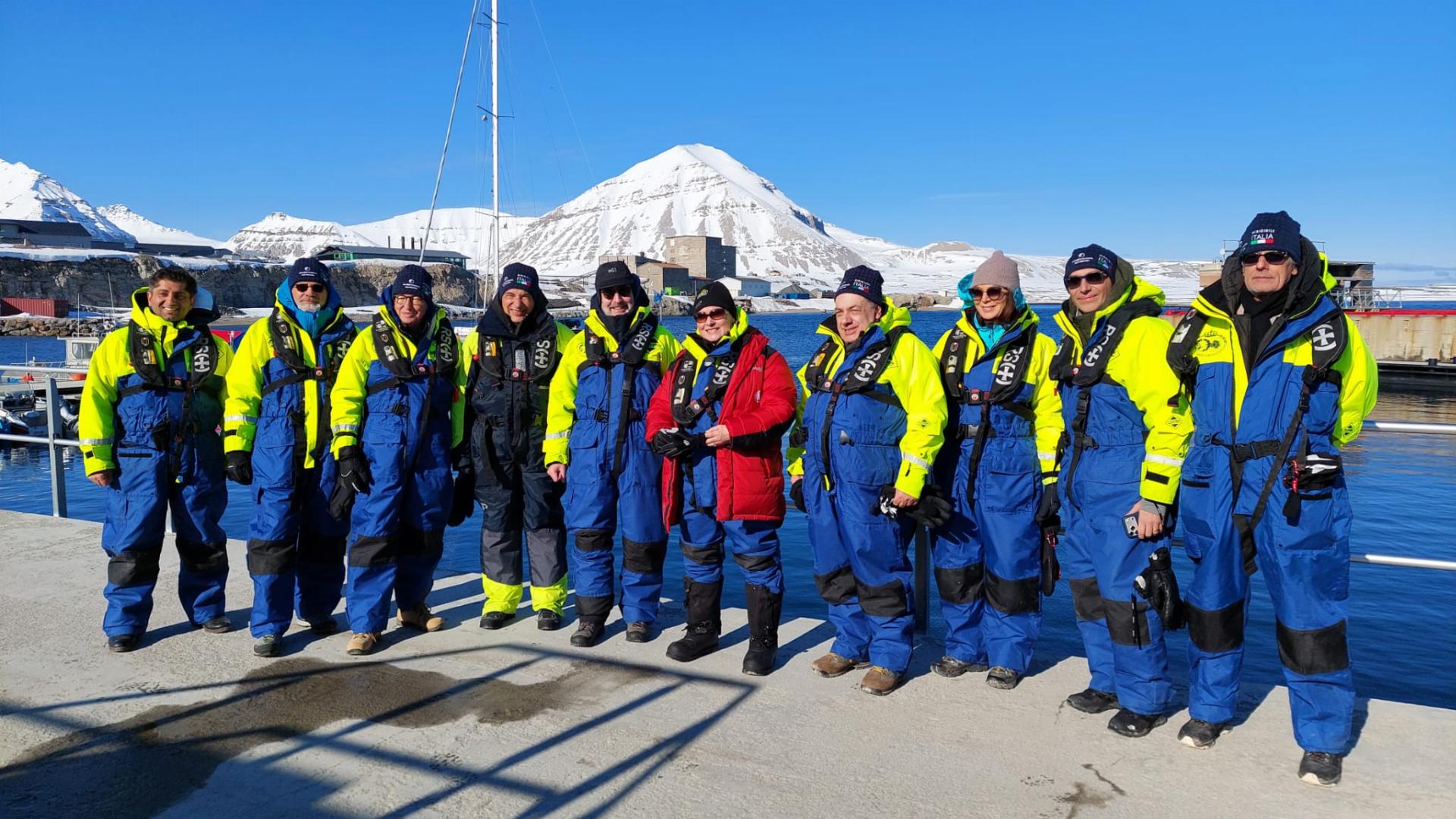
An Italian and Norwegian delegation met on May 11th in Ny Ålesund, a thousand kilometers from the North Pole in the Svalbard Islands, to celebrate, one hundred years later, the Arctic flight of the airship Norge, which reached the North Pole for the first time on May 12, 1926.
After leaving Ciampino Airport—where it had been designed and built under the supervision of General Umberto Nobile—on April 10, 1926, the airship Norge set out on a long journey that would take it across the North Pole. The flight of the Norge represents one of the most extraordinary feats in the history of polar exploration, accomplished by an Italian-Norwegian crew led by the famous Norwegian explorer Roald Amundsen and Umberto Nobile, with the support of American financier Lincoln Ellsworth. The route included several intermediate stops for supplies and technical checks. After days at sea and a stop in Pulham, United Kingdom, the Norge arrived in Oslo on April 14, 1926. After a brief stop in Vadsø, the Norge continued toward the Svalbard Islands. The Norge slowly descended toward Ny-Ålesund, in King’s Bay, on May 7, 1926. From there, on May 11, it would set sail again for the North Pole, transforming that remote landing into one of the most important milestones in the history of polar exploration.
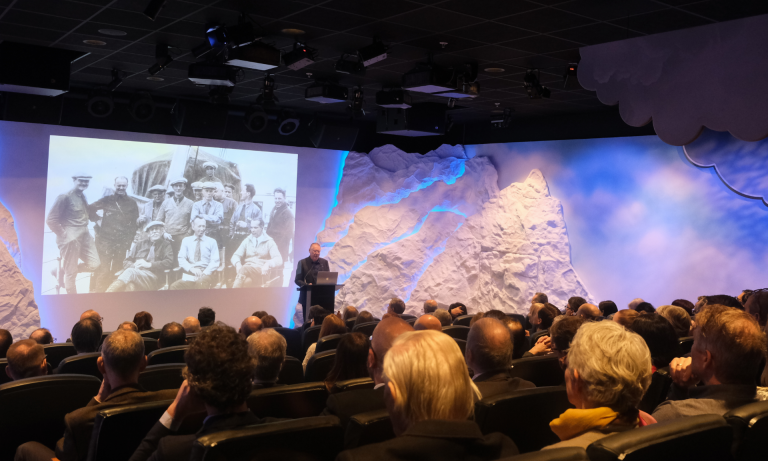
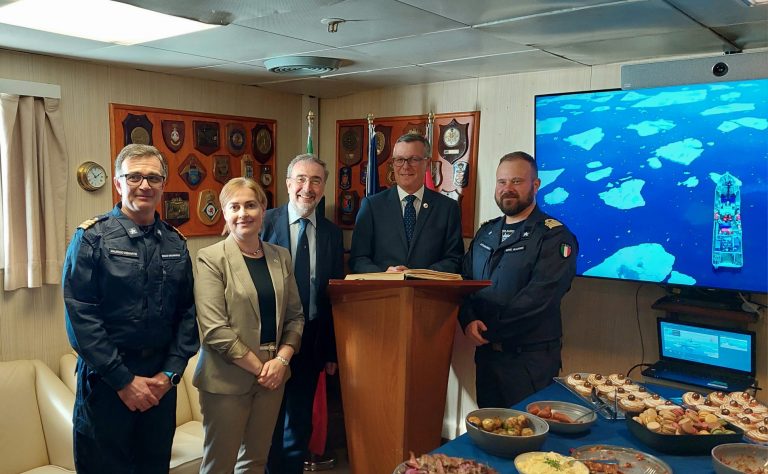
The commemorative event opened in Ny Ålesund with greetings from Himanshu Gulati, Vice President of the Norwegian Committee for Foreign Affairs and Defense; Professor Andrea Lenzi, President of the National Research Council (CNR); and Stefano Nicoletti, Italian Ambassador to Norway. These were followed by remarks from Giuliana Panieri, Director of the CNR Institute of Polar Sciences; Camilla Brekke, Director of the Norwegian Institute of Polar Sciences; and Norwegian historian Anders Bache.
The event was attended by the Hon. Andrea Orsini, Member of Parliament and member of the Foreign and Community Affairs Committee of the Chamber of Deputies and Vice President of the Italian Delegation to the NATO Parliamentary Assembly. Also present were Councilor Agostino Pinna, Special Envoy of the Ministry of Foreign Affairs and International Cooperation for the Arctic; and Dr. Francesco Corvaro, Special Envoy of the Italian Government for Climate Change.
Ambassador Nicoletti, commenting on the important celebratory moment, highlighted how “the 1926 flight of the airship Norge had profound symbolic significance, as it marked the emergence of Norway and Italy as modern, scientifically engaged nations. A symbol of successful technological and scientific collaboration, the Norge’s voyage highlighted how exploration was becoming a global effort rather than a mere national competition, and demonstrated the potential of aviation to conquer distances and extreme environments. For Italy, in particular, the mission of the Norge – built in Italy – represents one of the milestones of its commitment to the Arctic regions, which resulted in the establishment, thirty years ago, of the permanent research station Dirigibile Italia, located in Ny-Ålesund. The station was inaugurated in 1997 by the National Research Council (CNR) and has since represented the Italian outpost for Arctic research. The base hosts Italian and foreign researchers and fosters the Global scientific cooperation. Italy’s commitment to the Arctic is also renewed through the new Arctic Strategy, which reflects the growing importance of this region. Furthermore, in March, Italy hosted the Arctic Circle Rome Forum – Polar Dialogue to offer the international community the opportunity to discuss all issues related to the Arctic regions, from science to security, from research to climate and environmental challenges.
Professor Andrea Lenzi, President of the National Research Council (CNR), stated: “The legacy of the Norge expedition is more relevant today than ever: the polar regions, once perceived as remote and marginal, have become central to understanding the dynamics of global change, which has direct consequences for climate regulation, ecosystem stability, and global civil society. From the pioneering phase of exploration to today, the National Research Council (CNR) continues to play a crucial role in reaffirming, alongside the value of past achievements, the continuity and relevance of a consolidated scientific commitment. Umberto Nobile’s lesson teaches us that science progresses through cooperation. In a world faced with increasingly complex and interconnected challenges, scientific collaboration with Norwegian scientists and institutions remains a powerful tool for fostering dialogue, trust in science, and peaceful coexistence among peoples.”